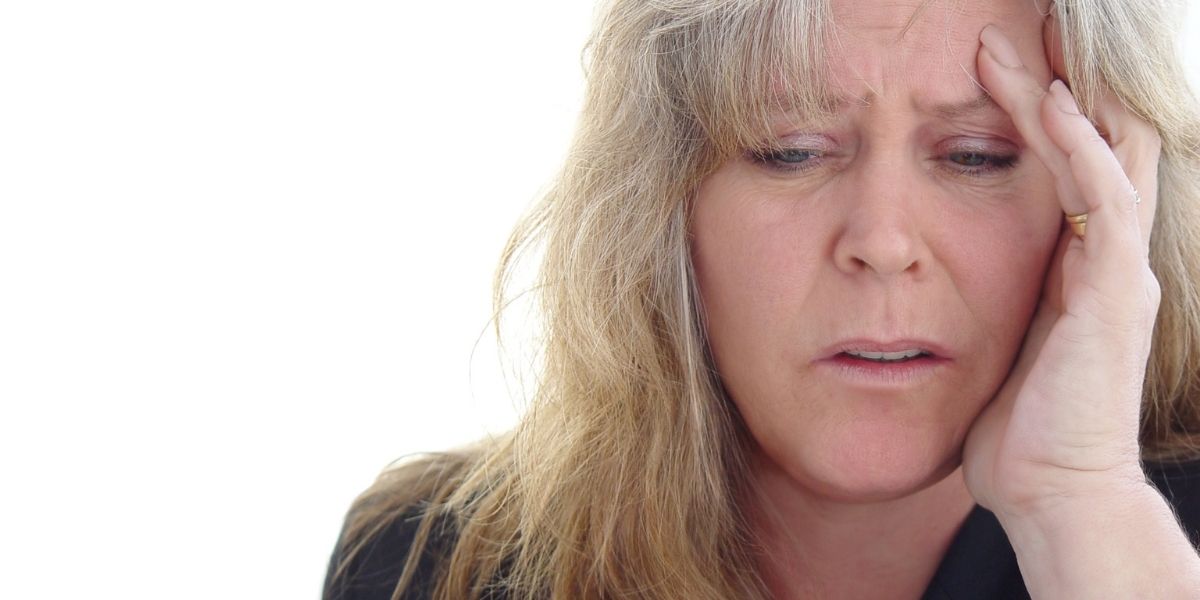
Many women in midlife do everything they are told to support their health. They eat well, stay active, and try to prioritize rest. Yet fatigue lingers, workouts feel harder, headaches appear more often, and brain fog becomes familiar. What often goes unnoticed is a fundamental contributor behind these symptoms: chronic, unrecognized dehydration.
Hydration is not simply about drinking water when you feel thirsty. Water plays a critical role in circulation, temperature regulation, nutrient delivery, joint lubrication, and cognitive function. As blood moves through the body, the plasma, made largely of water, helps transfer heat from the core to the skin so it can be released through sweating. This cooling system becomes especially important during physical activity and warm weather.
For midlife women, hydration demands shift in subtle but significant ways. Women naturally carry less total body water than men, and women in midlife often experience hormonal changes that affect sweating, thirst cues, and fluid balance. These changes can leave the body under-hydrated even when water intake appears adequate. Because the signs are often mild or attributed to aging, stress, or menopause, dehydration frequently goes unnoticed.
Understanding why dehydration is common in midlife is the first step toward supporting energy, performance, and overall well-being.
Hormonal Shifts Change How the Body Manages Water
Estrogen and progesterone play important roles in fluid balance and temperature regulation. As these hormones fluctuate during perimenopause and menopause, the body’s ability to manage hydration becomes less efficient. Blood volume may decrease slightly, sweating patterns change, and heat can remain trapped in the core longer. These shifts mean midlife women may need more intentional hydration strategies, not fewer.
Reduced Thirst Signals Lead to Underhydration
Relying on thirst alone can be misleading during midlife. Hormonal changes can blunt thirst signals, meaning the body may already be dehydrated by the time thirst is noticeable. This is particularly important for active women, where fluid losses through sweat may not be matched by intake. The absence of thirst does not equal adequate hydration.
Women Sweat Less but Still Lose Critical Fluids
Women tend to sweat less than men, which can seem protective but often is not. With lower total body water—about 50% compared to 60% in men—women have less circulating fluid available for cooling. When sweating does occur, even modest fluid loss can have a larger impact on circulation, endurance, and temperature control.
Exercise and Heat Exposure Increase Risk
Midlife women who exercise regularly or spend time outdoors are at increased risk for dehydration, especially in warmer temperatures. As plasma volume drops, the body struggles to cool itself efficiently. This can lead to early fatigue, dizziness, muscle cramping, and reduced exercise tolerance. Hydration needs increase with intensity, duration, and environmental heat, regardless of fitness level.
Subtle Symptoms Are Easy to Miss
Dehydration in midlife often presents quietly. Symptoms may include headaches, joint stiffness, constipation, dry skin, low energy, poor concentration, or feeling overheated during routine activities. These signs are frequently attributed to stress, sleep changes, or aging, delaying proper hydration support.
Electrolyte Balance Matters as Much as Water
Hydration is not only about water volume. Electrolytes such as sodium, potassium, and magnesium help regulate fluid distribution, nerve signaling, and muscle function. Midlife women who drink large amounts of plain water without adequate electrolytes may still feel unwell. Balanced hydration supports circulation, cellular function, and recovery.
Dehydration in midlife women is rarely dramatic, but its effects can quietly influence daily comfort, energy, and physical performance. Hormonal shifts, lower total body water, reduced thirst cues, and increased activity demands all contribute to a higher risk of underhydration. Paying attention to consistent fluid intake, supporting electrolyte balance, and recognizing subtle warning signs can make a meaningful difference in how the body feels and functions.
Hydration is a foundational part of health that deserves more awareness during midlife. When hydration strategies align with hormonal physiology, women often notice steadier energy, improved exercise tolerance, and greater overall comfort. For women seeking expert guidance on how hydration, hormones, and performance intersect across midlife, Dr. Carla DiGirolamo, the pioneer in women’s performance endocrinology, offers specialized virtual care designed to support high-performing women through every stage from puberty through menopause.