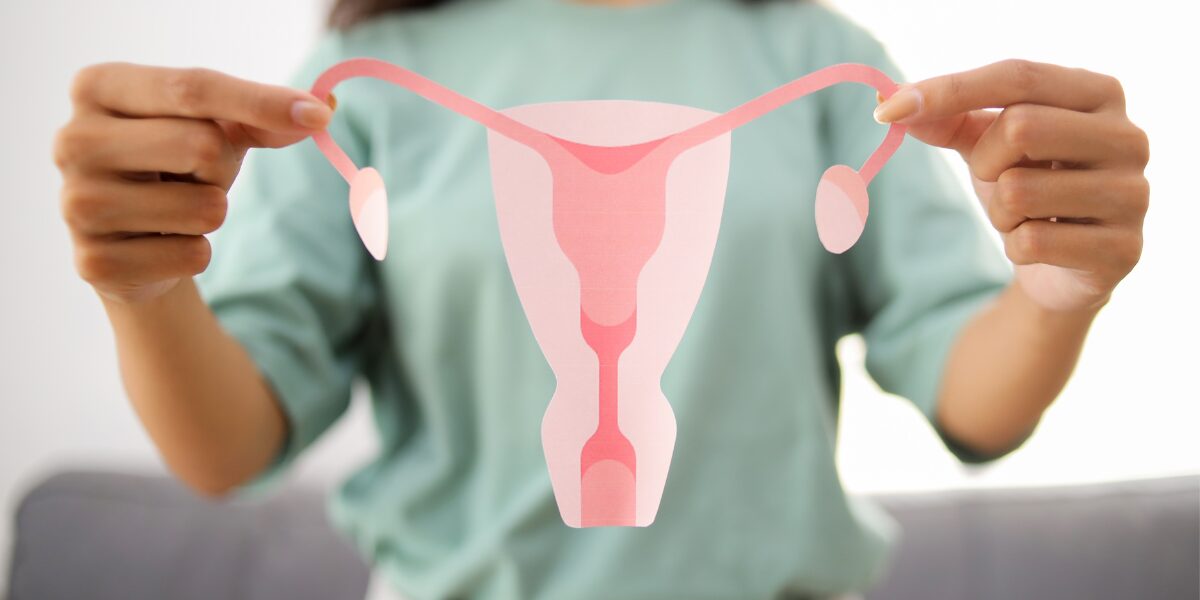
An irregular period is easy to dismiss. Stress, travel, exercise, or changes in routine can all temporarily affect your menstrual cycle. However, when periods become consistently irregular or disappear altogether, your body may be signaling an underlying hormonal condition that deserves medical attention.
Polyendocrine Metabolic Ovarian Syndrome (PMOS), formerly known as Polycystic Ovarian Syndrome (PCOS), is one of the most common causes of abnormal menstrual cycles. According to the World Health Organization, it affects approximately 8% to 13% of women of reproductive age, yet as many as 70% remain undiagnosed. Because symptoms vary significantly from one woman to another, many women live with PMOS for years before receiving answers.
Some women experience only occasional irregular periods, while others develop acne, unwanted facial hair, or difficulty becoming pregnant. Women with PMOS may be lean or overweight, physically active or sedentary, making diagnosis less straightforward than many people realize.
Recognizing the early signs allows women to seek appropriate care before complications develop. Understanding PMOS is the first step toward protecting reproductive health, metabolic health, and overall well-being.
What Is Polyendocrine Metabolic Ovarian Syndrome?
PMOS is a multi-faceted hormonal disorder that affects how the ovaries function, hence the change in name that acknowledges that this condition encompasses multiple endocrine systems. It commonly causes irregular ovulation, which leads to irregular or absent menstrual periods. Additionally, this syndrome impacts glucose regulation and insulin sensitivity which leaves women at greater risk of developing dyslipidemia, high blood pressure and diabetes.
The condition is associated with excess production of androgens, hormones that women naturally produce in small amounts. Higher androgen levels can interfere with normal ovarian function and contribute to symptoms such as acne, excess facial or body hair, and scalp hair thinning.
Many women with PMOS also have insulin resistance. When the body becomes less responsive to insulin, it produces more of the hormone, which may further stimulate androgen production and contribute to metabolic concerns.
Despite its name, not every woman with PMOS develops ovarian cysts, and some women without PCOS may have cysts visible on ultrasound. Diagnosis depends on several clinical findings other than ultrasound results alone.
Signs and Symptoms to Watch For
PMOS affects women differently, but several symptoms commonly occur together.
Common signs include:
- Irregular or absent menstrual periods
- Excess facial or body hair
- Persistent acne
- Oily skin
- Thinning scalp hair
- Difficulty becoming pregnant
- Weight gain or difficulty managing weight
- Insulin resistance
- Elevated cholesterol or blood sugar
Not every woman experiences all these symptoms. Some women have only mild menstrual irregularities, while others experience more noticeable hormonal changes. Because these symptoms overlap with other medical conditions, proper evaluation is important before reaching a diagnosis.
How PMOS Is Diagnosed
No single test confirms PCOS. Healthcare providers begin by reviewing menstrual history, symptoms, family history, physical examination findings, and laboratory testing.
Before diagnosing PMOS, other causes of irregular periods should be ruled out, including thyroid disease, elevated prolactin, premature ovarian insufficiency, and certain adrenal disorders.
For active women and athletes, another important consideration is Low Energy Availability (LEA) and Relative Energy Deficiency in Sport (REDs). These conditions can suppress reproductive hormones and cause missed or irregular periods due to inadequate energy intake. Because treatment differs significantly from PMOS, evaluating nutrition, training load, and recovery is essential before confirming the diagnosis.
The most widely accepted guideline is the Rotterdam Criteria, which requires at least two of the following:
- Irregular or absent menstrual cycles
- Clinical or laboratory evidence of elevated androgen levels
- A characteristic pattern of peripherally situated antral follicles in the ovarian appreciated on ultrasound (“String of pearls” sign)
Additional blood tests may assess blood sugar, insulin levels, cholesterol, testosterone, DHEAS, LH, FSH, and other hormones to provide a more complete picture.
Why Early Diagnosis Matters
PMOS affects more than menstrual cycles. Without appropriate management, the condition may increase the risk of several long-term health concerns.
Irregular ovulation can make pregnancy more difficult for women trying to conceive. Long gaps between menstrual periods may also increase the risk of endometrial hyperplasia, a thickening of the uterine lining caused by prolonged estrogen exposure.
Many women with PMOS also develop insulin resistance, increasing their likelihood of prediabetes, Type 2 diabetes, high blood pressure, and abnormal cholesterol levels. When these factors are seen together it is termed “metabolic syndrome” and may increase future cardiovascular risk.
Bone health is another consideration. Regular menstrual cycles support healthy estrogen levels, which play an important role in maintaining bone density throughout life. When menstrual cycles are absent or irregular, this can negatively impact bone health.
For physically active women, distinguishing PMOS from LEA and REDs is especially important because both conditions can affect bone health, recovery, hormonal function, and athletic performance, yet each requires a different management strategy.
Managing PMOS Effectively
Because PMOS exists on a broad spectrum, treatment should always be individualized.
Lifestyle changes remain the foundation of care for many women. Regular exercise, balanced nutrition, quality sleep, and maintaining a healthy body composition can improve insulin sensitivity and support more regular menstrual cycles. Even lean women with PMOS may benefit from nutrition counseling, as they are also at risk of developing the metabolic syndrome to a greater extent than their lean counterparts who do not have PMOS.
For women who are not planning pregnancy, oral contraceptive pills may regulate menstrual cycles, protect the uterine lining, reduce acne, and decrease unwanted hair growth.
Metformin, an insulin-sensitizing medication, has been used for many years to improve blood sugar regulation, encourage more regular ovulation, and support fertility in appropriate patients.
Some women may also benefit from myo-inositol, a dietary supplement that has shown promising results in improving insulin sensitivity, menstrual regularity, and certain hormonal symptoms. As with any treatment, supplementation should be discussed with a qualified healthcare provider.
Women who participate in recreational or competitive sports benefit from an individualized approach that also considers fueling, training demands, and recovery. A collaborative team that includes medical professionals, nutrition specialists, and coaches can help support both hormonal health and athletic performance.
Conclusion
Irregular periods should never be ignored simply because they seem common. They often provide valuable insight into your hormonal health, and PMOS is one of the most frequent causes of ongoing menstrual irregularities. Since symptoms vary widely, obtaining an accurate diagnosis is essential before beginning treatment. Early identification allows women to protect fertility, support metabolic health, reduce future complications, and receive care tailored to their individual needs. This is especially important for active and high-performing women, whose menstrual changes may also reflect conditions such as Low Energy Availability or Relative Energy Deficiency in Sport. If you have concerns about irregular periods or symptoms that may be related to PCOS, seeking specialized evaluation is an important first step. Dr. Carla DiGirolamo, the pioneer in Women’s Performance Endocrinology, specializes in helping active and high-performing women optimize their hormonal health from puberty through menopause. Schedule a consultation today to receive personalized care that supports your health, performance, and long-term well-being.