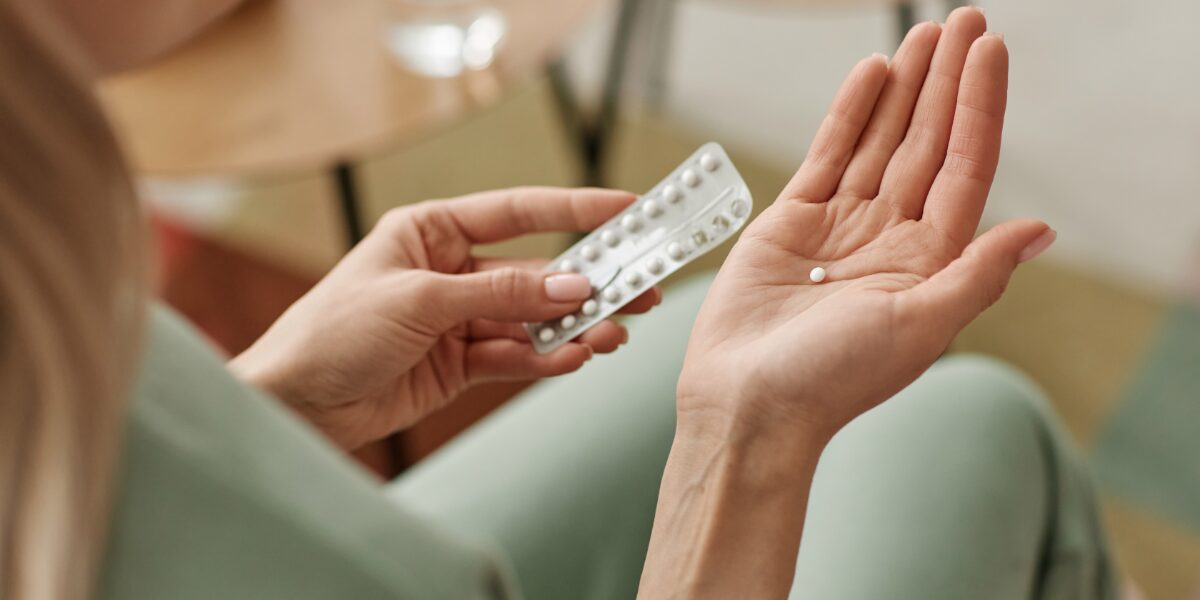
For many female athletes, losing a menstrual cycle is brushed aside as a normal part of intense training. Coaches may overlook it, teammates may accept it, and some athletes may even see it as proof of dedication. But the absence of a period is not a badge of honor. It is often a sign that the body is under a physiologic stress.
Menstrual cycle changes in athletes are more common than many people realize. High training loads, under-fueling, poor recovery, life stress, and restrictive eating habits can all disrupt hormone balance. Over time, these issues may lead to low energy availability (LEA) and relative energy deficiency in sport (RED-S), conditions that affect far more than reproductive health. Bone density, cardiovascular function, metabolism, immunity, and athletic performance can all suffer.
Birth control pills (BCPs) are frequently prescribed when menstrual cycles become irregular or disappear. These medications create predictable bleeding patterns. However, bleeds are not in response to natural ovulation; they are simply due to the withdrawal of active hormone during the pill-free days. Although BCPs are a highly effective mode of contraception, can help ease painful, heavy periods and relieve menstrual migraines and mood fluctuations, they also can mask some of the underlying issues causing the cycle disruption in the first place.
Female competitors deserve clear information about what is happening inside their bodies and how treatment options fit into long-term health goals. Understanding the connection between hormones, nutrition, training, and recovery is essential for protecting both performance and future well-being.
Why Athletes Lose Their Menstrual Cycles
There are many causes of menstrual cycle changes in women. Polymetabolic Ovarian Syndrome (PMOS, formerly known as PCOS), thyroid disease, hyperprolactinemia, pregnancy, premature menopause, perimenopause, life stressors, and rapid weight fluctuations, are just some of the causes of menstrual cycle changes. However, one of the most common causes of menstrual cycle changes in female athletes is energy imbalance.
The menstrual cycle depends heavily on adequate energy availability. When the body senses that energy intake is too low to support both exercise demands and normal physiological function, hormone production begins to shift.
This commonly happens in athletes who train intensely while not consuming enough total energy and adequate macronutrients to match energy expenditure. Endurance athletes, gymnasts, dancers, runners, swimmers, and competitors in weight-class sports are particularly vulnerable.
The body responds by reducing reproductive hormone activity due to “messaging” from peripheral hormonal systems (modulated by kisspeptin, ghrelin, and leptin) that monitor energy and nutrient availability. When these peripheral systems detect insufficient energy and macronutrient intake, they send signals to the hypothalamus that suppress the initiation of the menstrual cycle. Ovulation may stop, periods can become irregular, or menstruation may disappear completely. This condition is called hypothalamic amenorrhea.
In many cases, athletes do not recognize the warning signs early. Fatigue, poor recovery, stress fractures, mood changes, and declining performance may appear long before concern arises about missing periods.
The body is essentially prioritizing survival over reproduction. From a biological standpoint, pregnancy is not considered safe during times of insufficient energy.
Understanding RED-S and Low Energy Availability
Relative energy deficiency in sport is far more serious than a missed period alone. RED-S develops with prolonged and/or severe periods of low energy availability (LEA). Once LEA has progressed to REDs, multiple body systems can be affected which can compromise both short-term athletic performance and long-term health.
Low energy availability occurs when the body does not receive enough fuel to support exercise and normal daily functions. This may happen intentionally through dieting or unintentionally when athletes underestimate how much nutrition they need.
Consequences of LEA developing into RED-S may include:
- Decreased bone density
- Increased fracture risk
- Hormonal disruption
- Reduced protein synthesis
- Poor immune function
- Cardiovascular strain
- Fatigue and burnout
- Mood disturbances
Young female athletes are especially vulnerable because adolescence and early adulthood are critical years for building peak bone mass. When menstrual cycles stop and cyclic estrogen exposure remains low for extended periods, the development of peak bone density suffers. This can increase the risk of osteoporosis and fractures later in life.
Many athletes continue pushing through symptoms because they fear weight gain, reduced competitiveness, or judgment from coaches and peers. Unfortunately, ignoring these warning signs may create lasting health consequences.
Do Birth Control Pills Actually Fix the Problem?
No. BCPs can mask the menstrual irregularities caused by LEA and REDs and can delay the identification and treatment of energy imbalance. Predictable bleeding patterns can make it appear as though normal menstrual function has returned. However, the bleeding caused by oral contraceptives is not the same as a naturally restored menstrual cycle.
Oral contraceptives do not correct the root cause of low energy availability or RED-S. If inadequate fueling, overtraining, or disordered eating continue, the underlying hormonal suppression often remains hidden beneath the medication. Further, several studies have suggested that the potential bone-protective benefits attributed to BCPs is muted in underfueled conditions.
This is why specialists who care for female athletes caution against using birth control pills as a quick solution for missing periods in athletes. Treating the symptoms without addressing the energy imbalance can delay proper recovery and prolong damage to bone and metabolic health.
That does not mean birth control pills are always inappropriate. In some situations, they may play an important role after thorough evaluation, correction of fueling imbalances, and lifestyle interventions have been attempted.
When Birth Control Pills May Be Helpful
There are cases where oral contraceptives may offer meaningful support for female athletes struggling with persistent menstrual dysfunction.
If medical causes and fueling imbalance have been ruled out and substantial efforts to improve nutrition, recovery, and training balance have not restored normal cycles, hormone therapy may be considered to help reduce long-term health risks.
Extended low estrogen exposure increases the likelihood of:
- Bone loss
- Osteoporosis
- Stress fractures
- Fertility difficulties later in life
For some athletes, oral contraceptives may provide hormone support that helps reduce these risks, and they are a highly effective and popular form of contraception. This decision should be individualized and carefully monitored by healthcare professionals familiar with women’s sports medicine and endocrinology. Some specialists are also exploring low-dose estradiol patches as another possible option for bone protection in athletes with chronic menstrual dysfunction.
Why Proper Fueling Matters More Than Medication
No medication can replace the importance of adequate nutrition and recovery.
Restoring energy balance remains the foundation of treatment for athletes experiencing menstrual cycle disruption. This often requires increasing calorie intake, adjusting training intensity, improving sleep and recovery, and addressing emotional stressors surrounding body image or performance pressure.
Athletes frequently underestimate how much fuel their bodies require. Female physiology differs significantly from male physiology, yet many training programs and nutrition plans continue using approaches originally designed around male athletes.
Proper fueling supports:
- Hormone production
- Muscle recovery
- Bone formation
- Immune health
- Cognitive function
- Athletic performance
Working with a multidisciplinary team can make a major difference. Physicians, sports dietitians, therapists, coaches, and athletic trainers all play important roles in helping female competitors regain hormonal balance safely.
Open communication is equally important. Athletes should feel comfortable reporting menstrual changes early instead of hiding symptoms out of fear or embarrassment.
The Long-Term Impact of Ignoring Menstrual Dysfunction
Many athletes assume menstrual cycles will return automatically once training slows down or competition ends. Unfortunately, that is not always the case.
Some retired athletes continue experiencing hormonal dysfunction years after intense training periods have ended. Infertility struggles, premature bone loss, and chronic metabolic issues may persist into adulthood.
Menstrual health should never be separated from athletic health. A regular cycle often reflects that the body has enough resources to function properly. When cycles disappear, it signals that something deeper requires attention.
Female athletes deserve medical care that recognizes the relationship between hormones, performance, recovery, and long-term wellness. Early intervention can protect future fertility, preserve bone health, and support sustainable athletic success.
Conclusion
Menstrual cycle changes in athletes should never be ignored or normalized as part of training. While birth control pills may provide effective contraception and more predictable bleeding patterns, they are not a cure for energy imbalance; the most common cause of menstrual cycle changes in female athletes. Proper nutrition, balanced training, recovery, and early recognition of LEA and RED-S remain the most important steps in protecting both performance and long-term health. Female athletes benefit most from individualized care that looks beyond symptoms and addresses the body as a whole. Dr. Carla DiGirolamo, a pioneer in women’s performance endocrinology, specializes in helping active and high-performing women protect their hormonal health and athletic potential from puberty through menopause. Schedule a consultation today to receive expert guidance tailored to your goals and long-term wellness.